
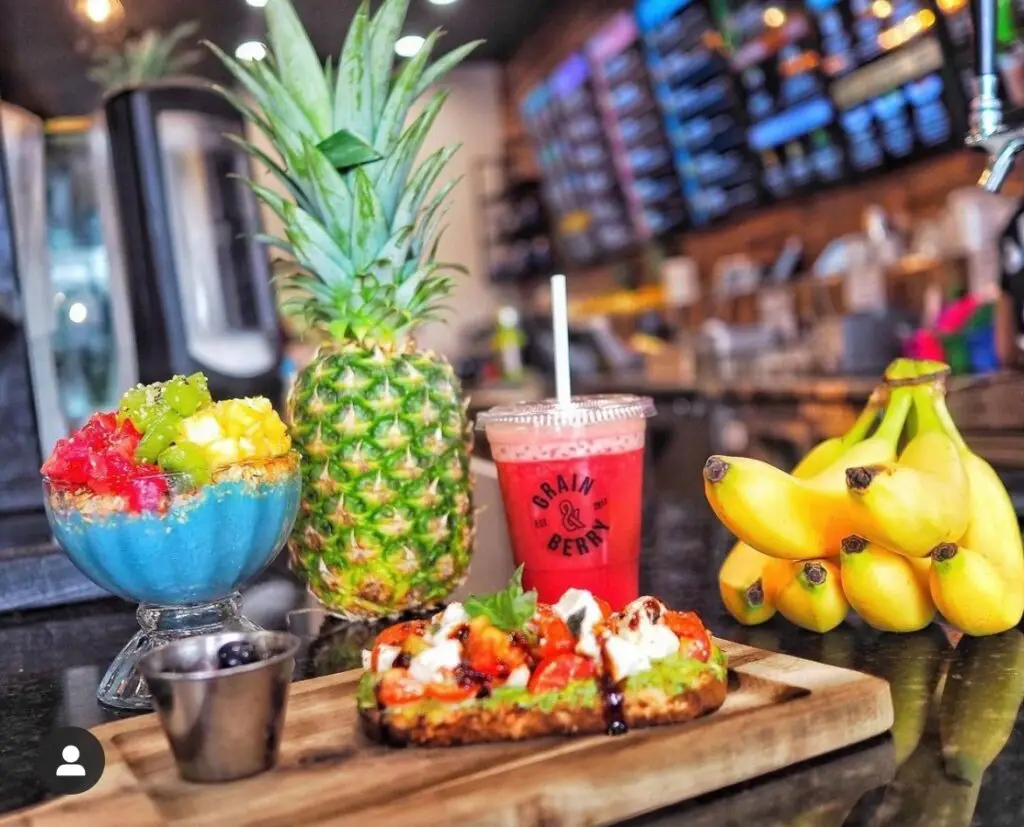
The restaurant industry has evolved rapidly over the past decade, and consumer expectations have changed along with it. Today’s guests want high-quality food, efficient service, transparency, and flexibility—all without sacrificing experience.
This shift has helped fast casual brands outperform traditional full-service restaurants across many key areas of the market.
The Rise of Fast Casual Dining
Fast casual restaurants bridge the gap between quick service and full-service dining. They offer elevated food quality and a welcoming atmosphere while maintaining speed, convenience, and value.
As consumer lifestyles become busier and more experience-driven, fast casual has emerged as a category that aligns naturally with modern dining habits.
Speed and Convenience Matter More Than Ever
One of the biggest advantages fast casual brands have is efficiency.
Guests today value:
-
Faster ordering and service
-
Shorter wait times
-
Flexible dine-in and takeout options
Fast casual concepts are designed to deliver quality food quickly, making them ideal for busy schedules, workday meals, and on-the-go lifestyles. Full-service restaurants, by contrast, often require a longer time commitment that doesn’t always fit modern routines.
Perceived Value Without Sacrificing Quality
Consumers are increasingly thoughtful about where they spend their money. Fast casual brands often strike the right balance between quality and price.
Guests appreciate:
-
Fresh, high-quality ingredients
-
Transparent menus
-
A premium feel without premium pricing
This value perception allows fast casual brands to attract a broad audience while maintaining strong customer loyalty.
Operational Efficiency Supports Consistency
From an operational standpoint, fast casual restaurants are built for efficiency.
Simplified menus, streamlined kitchen workflows, and standardized systems allow brands to:
-
Maintain consistency across locations
-
Reduce operational complexity
-
Adapt more easily to changing demand
This structure supports scalability and long-term growth while helping teams deliver a reliable guest experience.
Flexibility in a Changing Market
Fast casual brands have proven to be highly adaptable. With built-in flexibility around ordering, menu structure, and service models, they are well-positioned to respond to shifts in consumer behavior.
This adaptability helps fast casual concepts remain resilient in a market that continues to evolve.
A Strong Fit for Today’s Health-Conscious Consumer
Many fast casual brands focus on fresh ingredients, customizable options, and transparency—qualities that resonate strongly with today’s health-conscious guests.
Being able to choose ingredients, tailor meals, and feel confident about what’s on the plate adds to the appeal and positions fast casual as a go-to option for everyday dining.
The Franchise Advantage of Fast Casual
From a franchise perspective, fast casual models often offer:
-
More manageable operations
-
Clear systems and standards
-
Scalable growth opportunities
These factors make fast casual an attractive category for brands focused on responsible expansion and long-term success.
Looking Ahead: Fast Casual’s Continued Momentum
As dining habits continue to shift, fast casual brands are well-positioned to lead the industry forward. By combining quality, efficiency, and consistency, they meet the needs of modern guests while maintaining strong operational foundations.
Fast casual isn’t just a trend—it’s a reflection of how people want to dine today.